Hourly cleaning rates in Putney: what to expect
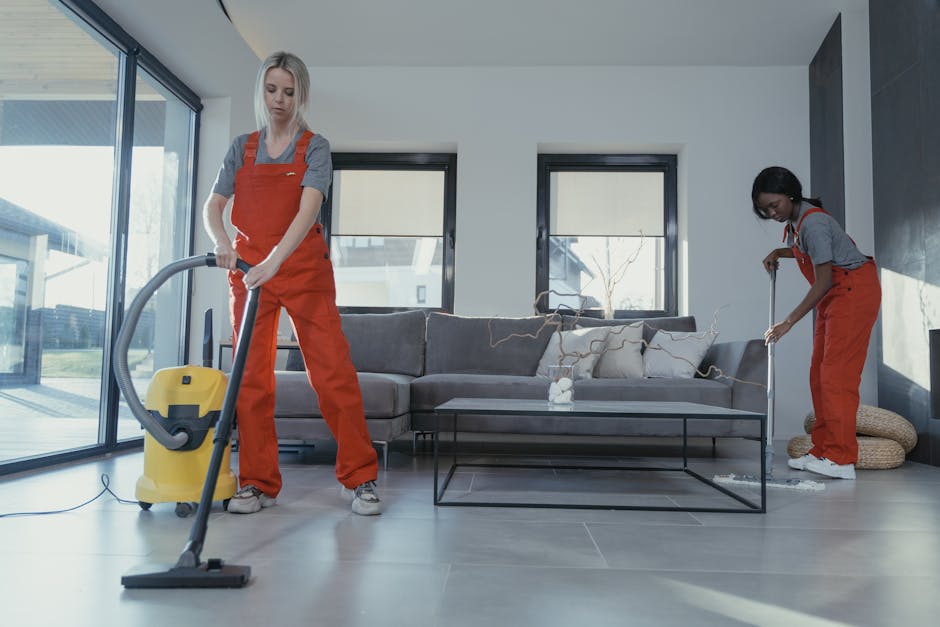
If you are comparing cleaners in SW15, the price question usually comes first. Fair enough. Nobody wants vague numbers, hidden extras, or a quote that changes the minute the hoover comes out. This guide explains Hourly cleaning rates in Putney: what to expect, what affects the cost, and how to judge whether a rate feels sensible for your home or business.
Putney has a mix of period flats, busy family homes, riverside apartments, shared houses, and small offices. That variety matters, because a cleaner in a compact two-bed flat will not quote the same way they would for a larger home with stairs, pets, and a kitchen that has seen one too many Sunday roasts. In short, hourly pricing can be very practical - if you know how it works.
Below, we break down the moving parts in plain English: what is usually included, what can push the rate up or down, how to compare providers, and when hourly cleaning makes more sense than a fixed-price job. There is also a checklist, a comparison table, and a few real-world examples so you can make a decision without second-guessing yourself later.
Why hourly cleaning rates in Putney matter
Hourly pricing is not just a number on a quote. It shapes the whole experience. It affects how long the clean will take, what gets prioritised first, and whether you feel in control of the spend. For many people in Putney, that control is the main reason they choose an hourly model in the first place.
The local market also matters. Putney sits in a busy part of southwest London, where expectations can be higher than the plain-vanilla "someone turns up and does a quick tidy" approach. Some clients want regular help to stay on top of family life; others need a stronger reset after renovations, a move, or a long gap between cleans. The right hourly rate depends on the job, but also on the pace and standard you expect.
Here is the practical bit: a low hourly figure is not automatically good value, and a higher one is not automatically a rip-off. What counts is what happens within that hour. Do you get a cleaner who works methodically, brings the right equipment, understands priorities, and communicates clearly? Or do you get a rushed session with awkward exclusions? That is where the real cost lives.
Key point: hourly cleaning works best when you want flexibility, transparency, and a cleaner who can adapt to changing needs without rewriting the whole plan every week.
How hourly cleaning rates in Putney work
Most hourly cleaning arrangements are simple on the surface. You agree a rate per hour, book a time slot, and the cleaner works for the booked duration. In practice, though, there are a few details worth pinning down before anyone starts. That tiny bit of clarity can save a lot of awkwardness later.
What is usually included
For domestic cleaning, hourly work usually covers routine tasks such as dusting, vacuuming, mopping, wiping kitchen surfaces, sanitising bathroom fixtures, cleaning mirrors, and general tidying. Some cleaners will also handle extras like bed changing or interior window wiping, but not always within the same time allocation. Ask, because assumptions cause trouble.
For office cleaning or shared properties, the hourly scope may include desk wiping, touchpoint cleaning, bins, kitchenettes, and washroom upkeep. Again, the exact list depends on the agreement.
What can affect the hourly rate
- Property size and layout: A compact flat with easy access is quicker than a larger house with multiple floors.
- Condition of the property: A regular maintenance clean is usually simpler than a heavy first clean.
- Frequency: Weekly or fortnightly bookings may be priced differently from one-off visits.
- Specialist tasks: Oven cleaning, carpet treatment, stain removal, or deep bathroom work may be outside standard hourly cleaning.
- Access and logistics: Parking, keys, entry instructions, and lift access can all influence the time required.
- Supplies and equipment: Some cleaners bring everything; others expect you to provide products and tools.
One thing that gets overlooked: time is not just physical time. It is also transition time. If a cleaner needs to find parking on a tight road near the river, collect keys from a concierge, or move through a home with lots of small obstacles, the clock feels different. Not unfairly so - just differently.
If you are also comparing broader service options, it can help to look at pricing and quotes alongside the actual cleaning service you need, whether that is domestic cleaning, regular cleaning, or a more intensive deep cleaning session.
Key benefits and practical advantages
Hourly cleaning has a few solid advantages, especially if your home life is unpredictable or your priorities change from week to week.
- Flexibility: You can focus on the areas that need attention most, rather than forcing a fixed checklist.
- Transparency: You can see how time is being used, which helps many people feel more comfortable with the spend.
- Scalability: You can book more time for bigger tasks or dial it back when the home is already in decent shape.
- Good for mixed priorities: Perfect if one week it is bathrooms and floors, and the next week it is dusting, kitchen fronts, and the hall.
- Easier to test: If you are trying a cleaner for the first time, hourly booking can be a low-commitment way to start.
It also suits people who do not want to overengineer the whole thing. Let's face it, nobody really wants a three-page cleaning spreadsheet for a Tuesday morning. Sometimes you just want the place sorted, properly, without faff.
For landlords and tenants, the model can be useful too. A short end-of-tenancy visit, or a move-in / move-out prep clean, can often be managed more efficiently when the cleaner is working to time and priority rather than a rigid one-size-fits-all package. If that is your situation, you may want to compare end of tenancy cleaning with move-out cleaning or move-in cleaning depending on what needs doing first.
Expert summary: Hourly cleaning is most valuable when priorities are clear, the scope is flexible, and you want the work tailored to the property rather than squeezed into a fixed box.
Who this is for and when it makes sense
Hourly cleaning is not for everyone, and that is fine. The point is to match the format to the real need.
It often suits:
- Busy households in Putney juggling work, school runs, and weekend plans
- People who need help keeping on top of general household tasks
- Renters who want regular upkeep between deeper cleans
- Homeowners who prefer to direct priorities each visit
- Landlords, agents, or tenants who need a flexible clean before or after a changeover
- Small offices that need routine upkeep without a large facilities contract
It may be less suitable if:
- You need a very specific outcome with a tight deadline
- The property is heavily neglected and needs more than standard hourly work
- You want the same result every visit, regardless of time spent
- You need a specialist service such as carpet extraction, gutter work, or after-builders debris removal
A quick reality check helps here. If the kitchen has not been touched properly for months, or the bathroom grout is in a bad state, hourly cleaning can still help - but it may need more than one session. That is not a failure. It is simply the nature of the job. For jobs like that, a focused one-off cleaning or after builders cleaning service may be a smarter starting point.
Step-by-step guidance
If you want a cleaner result and fewer surprises, use a simple process. Nothing fancy. Just a calm, sensible approach.
- Define the goal. Decide whether you need maintenance cleaning, a reset, or help with a specific area such as bathrooms, kitchen, floors, or general dusting.
- Walk through the property mentally. Think about what genuinely matters most. A spotless hallway is nice, but if the bathroom is grim, start there.
- Ask what the hourly rate includes. Clarify whether supplies, equipment, travel, and parking are included or charged separately.
- Confirm the time allocation. Make sure you know how many hours are booked and whether the cleaner can extend time if needed.
- Set priorities in writing or by message. A simple list is enough. It helps the cleaner work efficiently from minute one.
- Check access details. Entry codes, keys, parking, pets, alarms, and lift access should all be sorted before the appointment.
- Review after the first clean. The first visit is your chance to tweak priorities, frequency, or timing.
That first visit is often a bit of a calibration run. You learn what can be achieved in the time, and the cleaner learns how your home works. The kettle goes on, the vacuum hums, and before you know it the whole rhythm feels easier.
If you are choosing between a broad recurring service and a more occasional arrangement, have a look at house cleaning for general domestic care or regular cleaning if you want continuity and routine.
Expert tips for better results
Here is where a little experience helps. Most complaints about cleaning services are not really about cleaning. They are about expectations, communication, and scope.
- Prioritise by impact, not by emotion. It is easy to focus on the room that annoys you most. Sometimes the highest-value task is the one guests will notice first, or the one that stops dirt spreading.
- Keep a short running list. A note on your phone works. Add small jobs through the week so nothing gets forgotten.
- Be specific about "done". "Clean the kitchen" is vague. "Wipe cupboard fronts, sink, worktops, and floor" is much more useful.
- Leave the surface clutter under control. A cleaner can do more in an hour if they are not moving around piles of paperwork, toys, or shopping bags.
- Ask about cleaning products. Some surfaces need gentler products, especially wood, natural stone, or delicate upholstery.
- Use the first clean to set the standard. The first visit teaches everyone what "good" looks like. After that, things usually get smoother.
A small but important tip: if you know a task is slow, say so. Things like inside ovens, heavy limescale, or stubborn pet hair can eat up time fast. Better to be upfront than to wonder why the hour disappeared so quickly. Cleaning time has a habit of doing that anyway.
For more specialised jobs, matching the service to the task saves time and money. For example, if your sofa needs attention after a winter of tea cups and Saturday snacks, sofa cleaning or upholstery cleaning may be a better route than asking for the same result inside a standard hourly slot.
Common mistakes to avoid
People often think the mistake is choosing the wrong cleaner. Sometimes it is, but more often it is choosing the right person and then giving them the wrong brief. Annoying, but fixable.
- Assuming every hourly clean includes everything. It usually does not. Special tasks may need extra time or a separate service.
- Not asking what products are used. This matters for pets, allergies, and sensitive surfaces.
- Booking too little time. A too-tight slot can force rushed work and disappointment.
- Leaving the home too cluttered. The cleaner can only clean what they can access.
- Not agreeing priorities in advance. If everything is "urgent," nothing really is.
- Ignoring access details. A late start can shrink the usable time more than most people expect.
- Focusing only on the hourly figure. Value is about the result, not just the rate.
One slightly awkward but true point: the cheapest quote can cost more if it takes longer to achieve the standard you actually wanted. That is where a lot of people feel they have been clever - until they are not.
Tools, resources and recommendations
You do not need a complicated toolkit to get good value from hourly cleaning, but a few basics help a lot.
Useful things to have at home
- Microfibre cloths for dusting and wiping
- A reliable vacuum cleaner, ideally easy to empty
- General-purpose cleaning spray suitable for most surfaces
- Bathroom cleaner for limescale and soap residue
- Mop and bucket, if hard floors need attention
- Bin liners, gloves, and spare cloths
Useful service options to compare
- office cleaning if you need workspaces kept presentable and hygienic
- communal area cleaning for shared blocks or managed buildings
- carpet cleaning or steam carpet cleaning for deeper fibre care
- oven cleaning when grease and baked-on residue need specialist attention
- window cleaning when glass, frames, and sills need a proper external or internal refresh
To be fair, the best "tool" is usually clarity. A short note listing priorities is worth more than a cupboard full of half-used sprays. If you want to understand how a provider structures their work, it can also help to review about us and the company's approach to insurance and safety before you book.
Law, compliance, standards, or best practice
Cleaning services involve everyday practicalities, but they also sit inside a wider framework of safety, privacy, fair trading, and general care. You do not need to become an expert in policy documents, but it helps to know what good practice looks like.
A reputable cleaner or cleaning company should be clear about:
- What services are included and excluded
- How pricing is calculated
- Whether products and equipment are supplied
- How access, keys, and property security are handled
- What happens if an appointment needs to be rescheduled
- How complaints are dealt with
For homes with pets, children, allergies, or delicate surfaces, safety and product choice matter even more. Ask sensible questions. A straightforward answer is usually a good sign.
It is also sensible to check policies covering payment, security, privacy, and complaints before you commit. That does not mean you expect a problem. It just means you are being careful, which is not the same thing at all. You can review pages like payment and security, privacy policy, terms and conditions, and complaints procedure to understand how a provider sets expectations.
From a best-practice perspective, good cleaning work should also respect health and safety, use suitable products on suitable surfaces, and avoid cutting corners with cross-contamination in kitchens or bathrooms. If waste handling or sustainability matters to you, ask about recycling and sustainability too.
Options, methods, or comparison table
If you are still deciding whether hourly cleaning is right, it helps to compare it with other common pricing or service approaches.
| Approach | Best for | Pros | Trade-offs |
|---|---|---|---|
| Hourly cleaning | Flexible priorities, regular upkeep, mixed tasks | Transparent, adaptable, easy to start | Less predictable if the job is bigger than expected |
| Fixed-price clean | Defined jobs with a clear scope | Budget certainty, easier planning | Less flexibility if needs change mid-job |
| Regular cleaning arrangement | Busy households or offices needing continuity | Consistent standard, smoother routines | May feel less tailored for one-off priorities |
| One-off deep clean | Reset cleans, neglected spaces, seasonal refreshes | More comprehensive, better for heavy work | Usually more expensive and time-heavy |
The right option often depends on what you are trying to solve. If the main issue is "keep things under control each week," hourly cleaning is often enough. If the issue is "this place needs a proper intervention," then a broader clean may be better. Simple as that.
For larger or more specialised properties, the same logic applies to commercial cleaning and commercial carpet cleaning, where time, access, and outcomes can differ from a typical home clean.
Case study or real-world example
Take a typical Putney household: two adults working hybrid schedules, one child, one dog, and a kitchen that somehow collects crumbs the moment it is cleared. The family does not need a heroic deep clean every week. They need the house back under control, consistently.
They start with a two-hour hourly clean. The first visit focuses on the kitchen, downstairs bathroom, hallway floors, and a quick dusting pass in the living room. The cleaner notices that the entrance area gathers mud quickly after school drop-off, so next time that becomes a priority. The family also realises that asking for "everything" makes no sense; better to rotate the rooms week by week.
After two visits, they adjust the plan. Bathrooms and floors get priority every week, and the deeper tasks are spread out. The result is not perfection, and nobody is pretending otherwise. But the house feels manageable again, which is often the real goal.
That is the nice thing about hourly cleaning when it works well: it evolves. It is not rigid. A good cleaner learns the rhythm of the home, and the home gets easier to maintain. The whole thing becomes less of a battle.
If your situation involves moving furniture, surface damage, or heavy build-up, you might need a more task-specific approach such as stain removal, pet stain odour removal, or mattress cleaning rather than assuming hourly time alone will solve it.
Practical checklist
Use this before your first booking. It keeps things calm and avoids the usual "oh, I forgot to mention..." moment.
- Have I defined the main cleaning priorities?
- Do I know whether the rate includes supplies and equipment?
- Have I asked about any extra charges, if relevant?
- Are access details, parking, and entry instructions ready?
- Have I noted pets, allergies, or delicate surfaces?
- Do I know whether the cleaner expects a tidy surface before arrival?
- Have I confirmed the appointment length and timing?
- Do I know what happens if more time is needed?
- Have I checked the provider's policies on payment, security, and complaints?
- Have I thought about whether a regular, one-off, or specialist service might fit better?
If you tick most of those boxes, you are already ahead of the game. Really, you are.
Conclusion
Hourly cleaning rates in Putney can be straightforward once you understand what sits behind the number. The best arrangement is not always the cheapest or the most expensive; it is the one that matches your property, your priorities, and your tolerance for unpredictability. For many homes and small businesses in Putney, hourly cleaning offers the right balance of flexibility and control.
Look at what is included, ask how time will be used, and think about whether you need routine upkeep, a reset clean, or something more specialist. If you do that, you are far less likely to feel disappointed later. And honestly, that is half the battle.
When the cleaner walks in and the plan is clear, the whole experience tends to feel calmer, more efficient, and much more worth it. That is the sweet spot.
Get a free quote today and see how much you can save.
Frequently Asked Questions
What does hourly cleaning usually include in Putney?
It usually covers routine tasks such as dusting, vacuuming, mopping, wiping surfaces, bathroom cleaning, and general tidy-up work. The exact scope depends on the cleaner and the booking, so it is best to confirm priorities in advance.
Are cleaning supplies included in the hourly rate?
Sometimes yes, sometimes no. Some cleaners bring all products and equipment, while others expect the client to provide them. Always ask before booking so the final cost is clear.
Is hourly cleaning better than a fixed-price clean?
It depends on the job. Hourly cleaning is better when priorities change or you want flexibility. Fixed-price cleaning can suit clearly defined jobs where you want cost certainty upfront.
How many hours do I need for a typical clean?
That depends on the size and condition of the property. A small, tidy flat may need less time than a larger family home with stairs, pets, or heavy build-up. A provider can usually help estimate this after a quick description or walkthrough.
Why do hourly rates vary so much?
Rates vary because properties, expectations, access, and service levels vary too. One cleaner may include supplies, another may not. One job may need light maintenance, another may need a more intensive reset. That all affects the price.
Do hourly rates in Putney change for one-off cleans?
They often do. One-off cleans usually take longer than regular maintenance visits, so the rate or total cost can reflect the extra time and effort involved.
Can I ask the cleaner to focus on specific rooms?
Yes, and in many cases that is the smartest approach. If the kitchen and bathrooms are the priority, say so clearly. It helps the cleaner use the time efficiently and get better results.
What should I do before a cleaner arrives?
Clear obvious clutter, secure valuables, and make sure access instructions are ready. If you want the cleaner to spend time on the actual cleaning rather than moving items around, a little preparation goes a long way.
Is hourly cleaning suitable for offices in Putney?
Yes, especially for small offices or shared workspaces that need regular upkeep without a complex contract. For larger commercial sites, a more tailored commercial cleaning plan may be better.
How do I know if the price is fair?
Compare what is included, the cleaner's experience, the level of service, and how transparent the quote is. A fair price is usually one that matches the work needed and is explained clearly, without hidden extras.
What if the cleaner finishes early?
That depends on the agreement. Some cleaners will suggest extra tasks if time remains, while others will stop when the agreed scope is complete. It is worth discussing this in advance so nobody is left guessing.
Should I choose a specialist service instead of hourly cleaning?
If you need something specific - like carpet treatment, oven degreasing, or pet stain work - a specialist service is often better value. Hourly cleaning is best for adaptable, general upkeep rather than highly targeted restoration work.