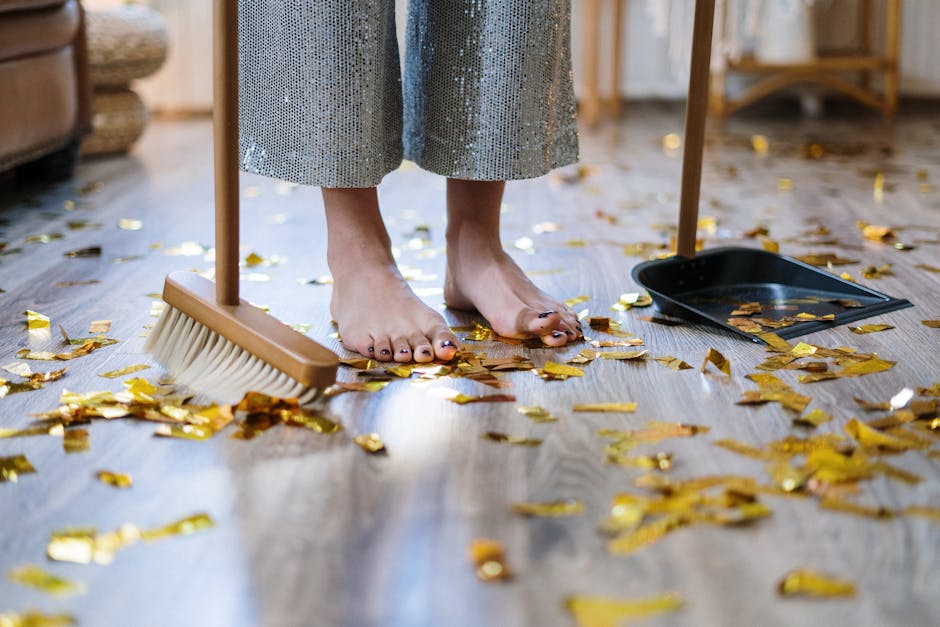
After-party cleanup for Putney pubs: quick, discrete service that gets you ready for the next round
If you run a pub in Putney, you already know the feeling: the music's stopped, the glass racks are full, there's a faint smell of spilled beer and citrus cleaner in the air, and staff are trying to reset the room before morning. After-party cleanup for Putney pubs: quick, discrete service is about getting the venue back to presentable, hygienic, and safe condition without drawing attention, causing disruption, or leaving the job half done.
That can mean clearing sticky floors, dealing with bar spillages, removing bins, wiping surfaces, checking toilets, and handling the little details people notice immediately when they walk in the next day. In practice, it's a mix of speed, discretion, and solid method. This guide explains how it works, when it makes sense, what to ask for, and how to avoid the usual mistakes. If you need a broader support option too, it can help to understand the scope of commercial cleaning support alongside one-off recovery cleans.
Table of Contents
- Why it matters for Putney pubs
- How the service works
- Key benefits and practical advantages
- Who needs this and when it makes sense
- Step-by-step guidance
- Expert tips for better results
- Common mistakes to avoid
- Tools, resources and recommendations
- Law, compliance, standards, or best practice
- Options, methods, or comparison table
- Case study or real-world example
- Practical checklist
- Conclusion
- Frequently asked questions
Why After-party cleanup for Putney pubs: quick, discrete service Matters
Pub cleaning after a private event, busy Saturday, or late booking is not just about appearances. It affects staff safety, opening time, customer experience, and the general rhythm of the day. In a place like Putney, where a venue might need to turn around quickly between breakfast trade, lunchtime regulars, and evening bookings, a slow cleanup can ripple through the whole schedule. One messy floor can become a slip risk. One overlooked toilet can become a complaint. One lingering odour can turn into a bad first impression before the doors even open.
Discretion matters too. A lot of after-hours work happens while nearby residents are sleeping, neighbours are already on edge, or management simply doesn't want the venue looking like a construction site at 7 a.m. A quiet, efficient crew can keep things professional. No noise parade, no fuss, no big drama. Just the job done.
There's also the reputational side. People may not remember every clean mirror or polished bar top, but they absolutely notice a sticky stair, a stained toilet floor, or a bin area that looks neglected. Truth be told, the faster you reset, the less "after-party" anyone needs to know happened at all.
How After-party cleanup for Putney pubs: quick, discrete service Works
In a proper after-party cleanup, the work is planned around the venue's layout, the event type, and the time available. A good cleaner doesn't walk in and start spraying everything in sight. They assess first: What got used? Which spaces matter most before reopening? What needs immediate attention versus what can wait until a deeper clean later?
Usually the process starts with a quick walk-through. That might include the main bar, glass collection points, toilets, entrance mats, stair edges, and any seating or lounge spaces that were part of the event. The team then works in a sensible order: waste removal, surface wipe-down, spill treatment, floor care, toilet reset, and final inspection. It sounds simple, but the order matters. If you mop before you clear broken glass or remove bins, you're just making more work for yourself.
Discrete service is really about manners and method. The crew arrives on time, uses low-key equipment where possible, keeps chatter low, and avoids blocking entrances. If there are office floors, residents above, or early deliveries next door, that quiet professionalism makes a huge difference. You want someone who understands the venue is still "open" in a practical sense, even if the party is over.
For venues that also need recurring upkeep, pairing one-off event recovery with regular cleaning can keep the site from drifting into a constant state of catch-up. That's often the neatest way to manage it, especially after a string of weekend functions.
Key Benefits and Practical Advantages
The obvious benefit is speed. A pub that is cleaned promptly can reopen or prep for the next shift with much less friction. But the less obvious benefits are often the ones that matter most day to day.
- Reduced staff pressure: Your team can focus on service, stock, and set-up instead of wrestling with soaked floors or overflowing bins.
- Better hygiene control: Spills, food residue, sticky hand contact points, and toilet areas are handled before they become a problem.
- Fewer complaints: Neighbours, customers, and staff are less likely to see, smell, or hear the aftermath.
- Safer reopening: Clean floors and clear walkways lower the chance of slips, trips, and awkward little incidents.
- More consistent presentation: A venue looks calmer and more welcoming, even after a heavy night.
There's also a simple business point: a quick reset often protects the next day's trading more effectively than a slow, piecemeal tidy. A tiny stain on a carpet may seem harmless at 2 a.m.; by 10 a.m., it's the first thing customers clock as they walk in and order coffee. That sort of thing sticks in the mind.
If the event left upholstery, rugs, or soft furnishings looking tired, related support like upholstery cleaning or rug cleaning can be a sensible add-on, especially where spills have soaked in rather than sitting on the surface.
Who This Is For and When It Makes Sense
This service is a good fit for pub landlords, managers, duty supervisors, and events teams who need the venue turned around quickly and without creating a scene. It is especially useful for:
- private parties with food and drink service
- live music nights
- quiz nights, birthdays, and engagement parties
- seasonal events and match-day gatherings
- late functions where staff levels are already stretched
- venues with delicate neighbours or shared buildings
It also makes sense when your own team can do the basics but not the full recovery. Maybe they can empty bins and stack glassware, but the floor still needs a proper treatment. Maybe the toilets are fine, but the entrance mat is damp and the bar front is grimy. That's usually the point where external help saves time and stress.
One-off recovery is not the same as a deep restore, though the two sometimes overlap. If the aftermath is significant, a venue may need deep cleaning to get into corners, grout, edges, and hidden buildup that regular mopping won't touch. Not every night needs that level, but it's worth knowing the difference.
Step-by-Step Guidance
Here's a practical way to think about the process from the venue side. Nothing fancy. Just a repeatable routine that works.
- Identify the priority zones. Start with areas guests used most: bar, toilets, entrance, seating, and any food service points.
- Remove waste and returnables. Clear bottles, napkins, packaging, food scraps, and loose rubbish. The room immediately feels less chaotic.
- Check for hazards. Broken glass, sticky patches, wet floors, and overturned furniture should be dealt with early.
- Treat surfaces in the right order. Wipe high-touch points first, then bar tops, then decorative surfaces, then lower areas.
- Handle floors properly. Use the right method for the floor type; a stone or sealed surface is not the same as a carpeted snug.
- Reset toilets and washrooms. Refill consumables, clean touchpoints, and make sure the room smells neutral rather than "chemically cleaned".
- Do a final walk-through. A quick check under stools, behind the bar, and along skirting boards catches the forgettable bits.
If you want a more venue-focused approach, it can help to combine the cleanup with commercial cleaning planning, because pubs are not tidy domestic spaces. They have a different rhythm, a different level of wear, and a very different set of pressure points.
Expert Tips for Better Results
Over time, a few patterns become obvious. Some are common sense. Others are the sort of thing people only learn after one frustrating night with a mop bucket and a stubborn stain.
- Use quiet equipment where possible. Loud vacuums or clattering tools can be more disruptive than the dirt itself.
- Work from clean to dirty. That prevents moving grime from one area into another.
- Keep stain treatment immediate. The longer a drink spill sits, the harder it is to shift cleanly.
- Match the method to the surface. Hard flooring, carpets, and upholstery all need different care.
- Leave fragrance light and neutral. Strong air fresheners can make people wonder what you are hiding. A light, fresh finish is usually better.
In our experience, the best teams are the ones that think like venue staff. They notice the handrail, the bar edge, the inside of the door frame, the skirting near the toilets. Small things, but they add up fast. And yes, they do get noticed.
A sensible document trail helps too. If your venue has agreed standards for access, timing, and emergency contact, keep them written down. It sounds boring. It is boring. But boring is good when you are trying to avoid last-minute confusion at 1:15 in the morning.
Common Mistakes to Avoid
The biggest mistake is assuming a quick tidy is enough for a pub after an event. It usually is not. A quick tidy can make things look better, but if you skip the real trouble spots, the place still feels off.
Another common error is cleaning in the wrong sequence. People often mop before lifting waste, or wipe surfaces before checking for crumbs and sticky residue underneath. That just pushes mess around. A bit of order saves a lot of time.
Other avoidable problems include:
- using too much water on floors that need controlled moisture
- ignoring behind-bar areas because they are "out of sight"
- forgetting bins, toilets, and entry mats
- trying to mask odours instead of removing the cause
- leaving the final inspection to someone who wasn't involved in the clean
One more, and this one is sneaky: waiting until opening day to discover a stain. By then, you are in a scramble. If the aftermath includes sofa marks or seating wear, a specialist option such as sofa cleaning can be far more effective than hoping a surface wipe will sort it out. It won't, not really.
Tools, Resources and Recommendations
You don't need a warehouse of gear, but you do need the right basics. For most after-party pub cleans, the useful kit is fairly ordinary:
- microfibre cloths
- mop system with clean water control
- vacuum suitable for commercial use
- spillage and stain treatment products
- gloves and protective supplies
- bins liners, wipes, and consumables for toilet reset
- caution signs if floors are being treated
The "resource" side is less about tools and more about planning. A good venue plan includes who unlocks, who signs off, where waste goes, and what gets escalated. If there are fabric chairs, curtains, or long-used soft furnishings, it can also be worth considering curtain cleaning or related textile care after a busy event season. Not every pub needs it often, but when the room starts to look dull, you can tell.
For venues weighing up ongoing upkeep versus one-off visits, one-off cleaning is often the quickest way to tackle a specific post-event problem without committing to a longer arrangement straight away.
Law, Compliance, Standards, or Best Practice
Pub cleaning is not just a cosmetic task. In the UK, venue operators have a general duty to keep premises reasonably safe for staff and visitors, and cleaning practices should support that. It is also normal to pay attention to safe chemical use, manual handling, slip prevention, and proper waste disposal. The details will vary by venue and contract, but the principle is simple: a rushed cleanup should not create a new risk.
Best practice usually includes clear access arrangements, a sensible handover process, and documented expectations around what gets cleaned and what does not. If cleaners are working around equipment, alcohol stock, or sensitive fixtures, they should know what can be moved and what must stay put. That saves accidents and awkward conversations. Nobody wants a shattered bottle shelf as the evening's grand finale.
For trust and accountability, it helps to choose a provider with transparent policies. Pages such as health and safety guidance, insurance and safety information, and terms and conditions are useful because they show how the service is structured, what is expected, and how responsibility is handled. That's not red tape for the sake of it. It's part of running a clean, sensible operation.
Where environmental impact matters, you may also want to ask about recycling and sustainability. For pubs, waste separation and low-impact cleaning choices are increasingly part of normal business practice. Plain and simple.
Options, Methods, or Comparison Table
Not every venue needs the same kind of service. Here's a straightforward comparison that may help you decide.
| Method | Best for | Strengths | Limitations |
|---|---|---|---|
| In-house quick tidy | Light after-hours reset | Cheap, immediate, familiar | Often misses hidden residue and deeper spill damage |
| Targeted after-party cleanup | Most pub events and busy nights | Fast, discreet, focused on reopening readiness | May not address long-standing buildup in neglected areas |
| Deep restorative clean | Heavy use, frequent functions, or visible buildup | More thorough, better for stubborn grime and odour | Takes longer and may need more access time |
For many Putney pubs, the sweet spot is targeted cleanup with occasional deeper support. That keeps disruption low while still protecting standards. If you're dealing with flooring that takes a lot of footfall, hard floor cleaning is often the right specialist route, especially in bar areas with sticky patches and dull finish.
Case Study or Real-World Example
Here's a realistic example. A pub in Putney hosts a birthday event on a Saturday night. By closing time, the bar area has spill marks, the toilets are looking tired, the entrance mat is damp from tracked-in rain, and one seating corner has a food stain on the upholstery. The manager needs the venue ready for lunchtime trade the next day, but the in-house team is already stretched.
A quick, discrete cleanup is arranged for late night. The cleaners start with waste, broken glass checks, and washroom reset. They then move to bar surfaces, floor treatment, and spot cleaning around seating. The upholstered corner gets a targeted treatment, and the entrance is dried properly so morning staff are not stepping onto a slippery patch first thing.
What changed? Not magic. Just sequence, attention, and pace. The venue opened the next day looking normal, which is the real goal. Nobody walks in and thinks, "What a glamorous cleanup." They just notice the place feels calm, organised, and ready. That's success.
Practical Checklist
Use this before, during, or after the cleanup. It keeps everyone aligned, especially when the night has been a long one.
- Confirm access times and lock-up arrangements
- Identify priority zones: bar, toilets, entrance, seating, stairs
- Remove all waste, bottles, and returnables
- Check for broken glass and slip hazards
- Treat spills before they set
- Use the correct method for each floor type
- Reset toilets and restock essentials
- Spot clean upholstery, rugs, and soft furnishings where needed
- Do a final walk-through in good light
- Make notes on any damage, stains, or follow-up needs
If there is visible wear beyond a single event, you might also consider carpet cleaning for dining or lounge areas, or even pet stain odour removal style treatment if unusual odours have become embedded through repeated spillages and dampness. The naming may sound odd for a pub setting, but the practical principle is the same: remove the source, not just the smell.
Conclusion
After-party cleanup for Putney pubs is really about keeping the venue steady, professional, and ready for the next shift without making a fuss. The best service is quick, discreet, and methodical. It respects the venue, the neighbours, and the staff who have to open the doors all over again in a few hours. That's the practical standard, and it's worth holding to.
Whether you need a one-off recovery clean after a big event or a more structured plan for recurring functions, the right approach saves time, protects standards, and makes the whole week feel a bit easier. And let's be honest, that matters. A lot.
Get a free quote today and see how much you can save.
When the room is reset properly, the whole place feels lighter. Quietly better. Ready again.
Frequently Asked Questions
What is after-party cleanup for a pub?
It is a fast, targeted cleaning service that restores a pub after a private event, busy night, or late function. It usually focuses on waste removal, spills, floors, toilets, surfaces, and any visible signs of heavy use.
Why does discreet cleaning matter in Putney pubs?
Discretion reduces disruption to neighbours, staff, and early-morning operations. It also helps the venue keep a calm, professional image even when cleanup happens late at night or very early in the morning.
How quickly can a pub be turned around after an event?
That depends on the size of the venue, how busy the event was, and how much damage or spillage there is. A small recovery clean can be fairly quick, while a heavier job may need more time or a deeper follow-up visit.
Is this the same as a deep clean?
Not always. A quick after-party cleanup is usually focused on immediate recovery and reopening readiness. A deep clean goes further into buildup, hidden grime, and longer-term hygiene problems.
What areas of a pub need the most attention?
The bar, toilets, entrance, seating areas, stairs, and any spots where drinks or food were served usually need the most attention. Those are the places customers notice first, too.
Can staff handle the cleanup themselves?
Yes, for very light messes. But if the venue is dealing with heavy spills, soaked floors, broken glass, or a tight reopening window, outside help is usually more efficient and less stressful.
What should I ask a cleaner before booking?
Ask about arrival time, what is included, how discretion is handled, whether they have the right equipment, and how they deal with toilets, flooring, and stain treatment. Clear expectations make everything smoother.
Do I need specialist cleaning for carpets or upholstery?
Sometimes, yes. If drinks or food have soaked into fabric, a surface wipe won't be enough. In those cases, specialist support such as carpet or upholstery cleaning can prevent lingering marks and odours.
How do I keep the cleanup quiet and low-profile?
Use low-noise equipment, keep access simple, and agree the cleaning sequence in advance. A good team will work methodically and avoid unnecessary movement through customer-facing spaces.
Is this service useful for regular event nights?
Definitely. If your pub hosts frequent functions, a repeatable cleanup plan helps maintain standards and prevents problems from building up over time.
What if the venue has slippery floors after the event?
That should be treated as a priority. A safe cleanup means dealing with wet or sticky floors promptly, using the right method for the surface, and making sure the area is ready for staff and customers.
Can one-off cleaning cover post-event messes?
Yes, often it can. A one-off visit is a practical option when you need a specific recovery job completed without setting up an ongoing schedule.
How do I choose between one-off and regular support?
If events are occasional, one-off support may be enough. If your pub hosts functions often or sees repeated heavy use, regular support can save time and reduce last-minute pressure.